Nobody plans to get denied for a loan. Or pay PMI for years. Or walk away from a deal because the appraisal came in low. But every home buyer faces these risks. And when they do, understanding what is loan to value ratio on a mortgage is what keeps the purchase on track. The question is, do you know how it works?
What is LTV in Home Loan?
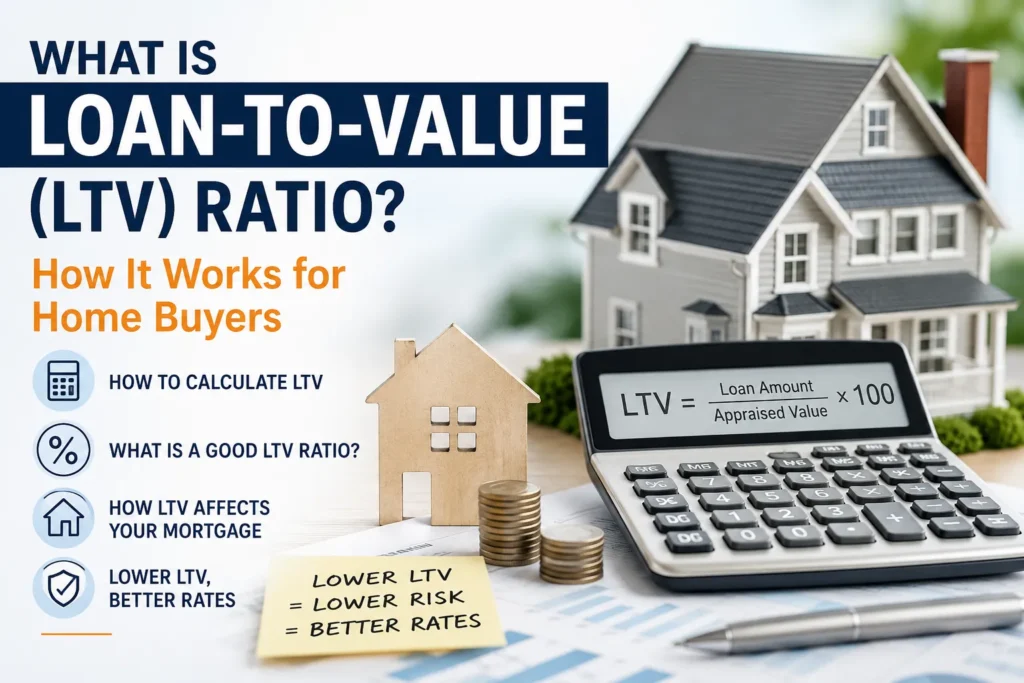
What is loan to value ratio is a common question. Here is the simple answer. It is the amount you are borrowing divided by what the home is worth. Borrow $200,000 on a $250,000 house? Your LTV is 80%. That is it.
Lenders look at this number to size up their risk. Put more of your own money in and they relax. Borrow almost everything and they get nervous. That is why your LTV affects your interest rate, your monthly payment, and whether you have to pay PMI.
How to Calculate LTV (It Is Easy)
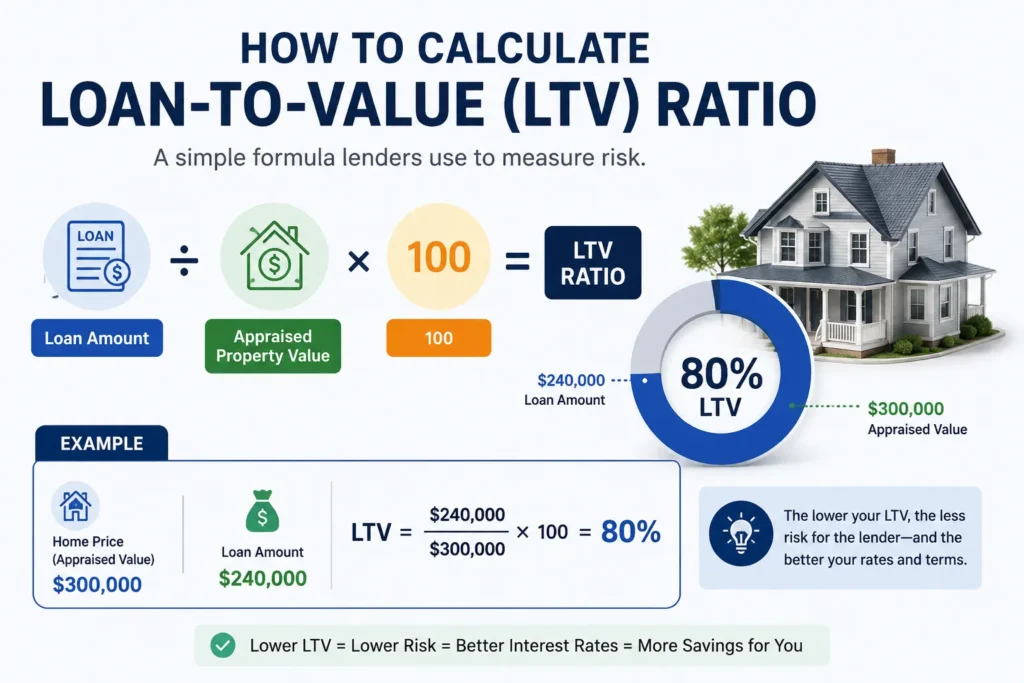
The math is simple for what is loan to value ratio.
LTV = (Loan Amount ÷ Appraised Property Value) × 100
You can plug numbers into a loan to value ratio calculator and get the answer in seconds. But doing it by hand is just as fast. Here is a loan to value ratio example: you buy a home for $300,000 with a $270,000 loan. Divide 270,000 by 300,000 and multiply by 100. That gives you 90%.
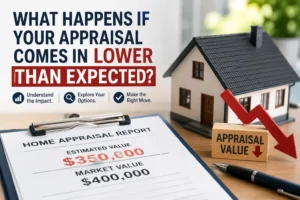
One catch. Lenders always use the lesser of the purchase price or the appraised value. If the house appraises low, your LTV goes up. That is why a low appraisal can kill a deal or force you to bring more cash to the closing table.
Why LTV Matters So Much
The loan to value ratio on a mortgage affects three big things.
- Your interest rate: Lower LTV means lower rates. A one percentage point difference can cost you thousands over the life of the loan.
- Private mortgage insurance: LTV above 80%? You pay PMI. That is extra money every month until you build enough equity to get rid of it.
- Getting approved: Some loans have max LTV limits. Conventional loans allow up to 97% with 3% down. VA and USDA loans allow 100% with zero down.
What is a Good Loan to Value Ratio
A good loan to value ratio is 80% or less. That means you put 20% down and skip PMI altogether. A loan to value ratio between 60% and 75% is even better and often unlocks the lowest rates.
Government loans are more forgiving. FHA allows 96.5% LTV with 3.5% down. VA allows 100% with nothing down at all.
What Does LTV Mean in Loans
What does ltv mean in loans gets asked all the time. It tells the lender how much of the property you are financing. The higher the percentage, the more you are borrowing and the less equity you have.
What is ltv in mortgage loan terms? It is a risk gauge. A low LTV gives the lender a cushion if you default. A high LTV means you have less to lose, which makes you more likely to walk away.
Combined LTV: The Second Loan Catch
If you have a second mortgage or a HELOC, lenders look at combined LTV or CLTV. That is your first mortgage plus any other loans against the property.
Example: first mortgage $250,000, HELOC $50,000, home worth $300,000. Your CLTV is 100%. Most lenders want CLTV below 85% to 90%. Go over that and you face higher rates or outright denial.
How LTV Affects Refinancing
Refinancing is just like buying when it comes to LTV. To refinance a conventional loan without PMI, your LTV usually needs to be 80% or lower.
Above 80%? You might still qualify through FHA, VA, or certain conventional programs. But you will pay higher rates and mortgage insurance.
How to Lower Your LTV
- Put more money down. This is the most direct way.
- Buy a cheaper house. Smaller loan means lower LTV.
- Wait for your home to go up in value. Market appreciation helps over time.
- Pay extra on your principal. Every extra dollar lowers your loan balance and improves your LTV.
- Make improvements that add value. Remodels that boost appraisal value can lower LTV at refinance time.
LTV and Your Monthly Budget
A lower LTV saves you more than just PMI. It can shave hundreds off your monthly payment. That is money you can put toward other things.
Home buyers get fixated on the down payment, but LTV is the bigger picture. A larger down payment lowers your loan, improves your LTV, and saves you money for years to come.
Conclusion:
What is loan to value ratio? It is the percentage of the home’s value that you are financing. A lower LTV means less risk for the lender, which means better rates, lower payments, and no PMI for you. A good LTV keeps more money in your pocket over the life of the loan.
Frequently Asked Questions
What is loan to value ratio?
It is your loan amount divided by the home’s value. Borrow $200,000 on a $300,000 home and your LTV is 67%. The lower the number, the better off you are.
What is a good loan to value ratio for a mortgage?
A good loan to value ratio is 80% or below. That means you have 20% equity and can avoid PMI. An LTV between 60% and 75% usually gets the best interest rates.
What is the maximum LTV for a conventional loan?
Conventional loans go up to 97% LTV with 3% down for qualified buyers. FHA allows 96.5% with 3.5% down. VA and USDA allow 100% with no down payment.
How can I lower my loan to value ratio?
Make a bigger down payment, buy a cheaper home, wait for the home to appreciate, pay down your principal faster, or make improvements that boost the home’s value.
Why does LTV matter for mortgage rates?
Lenders see lower LTVs as less risky. Borrowers with lower LTVs get lower rates. A one-point difference can save you thousands over the life of the loan.
What is combined loan-to-value ratio?
Combined LTV or CLTV includes all loans on the property, like a first mortgage and a HELOC. Lenders use it to assess overall risk when you have multiple loans.
Does a lower LTV always mean a lower rate?
Generally yes. Borrowers with LTVs of 80% or less get better rates. Higher LTVs mean higher rates and mortgage insurance.
Can I refinance with a high LTV?
Yes. FHA and VA programs allow high LTV refinancing. Some conventional programs do too, but with higher rates and insurance costs.
What is LTV in home loan terms?
It is the lender’s risk meter. High LTV means less equity and more risk for the lender. Low LTV means more cushion and less risk.
What does LTV mean in loans overall?
What does ltv mean in loans? It is the loan amount divided by the collateral value. For mortgages, that is the home’s purchase price or appraised value. It is the main risk measure in real estate lending.